
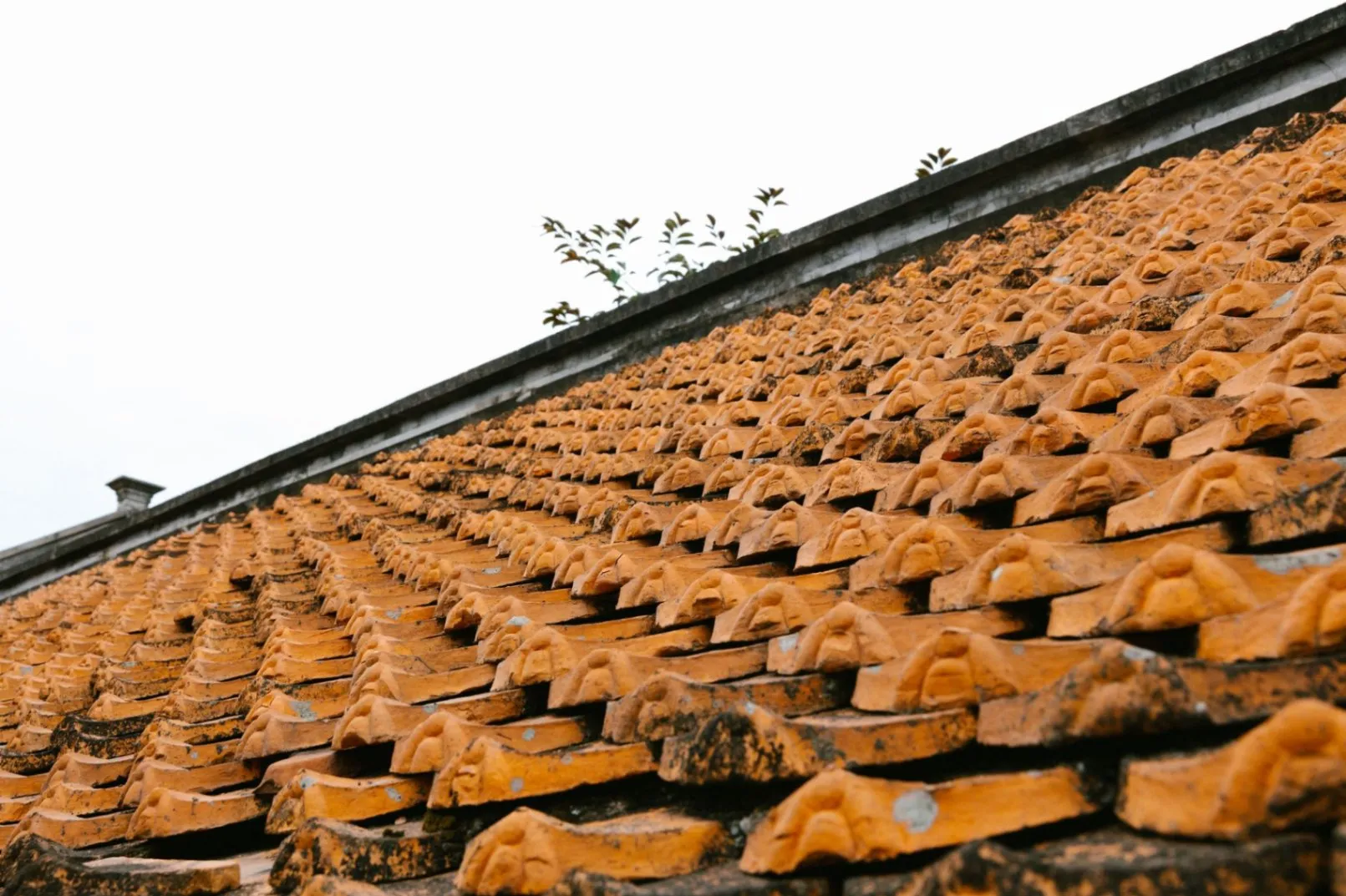
Why Are My Roof Tiles Slipping Out of Place?
Roof tiles slipping out of place almost always means that whatever held the tile has stopped holding it: a fastener that rusted or backed out, a cracked tile, a worn batten, or a tile that was lifted during other work and never set back correctly. Once a tile moves, the underlayment beneath it is left open to sun and rain, so it is worth having a roofer look even when nothing is leaking yet.
This guide is for Eastlake homeowners with concrete or clay tile roofs. It covers what a displaced tile looks like from the ground, the common causes, what a roofer checks, and what to write down before you call.
What does a displaced roof tile look like from the ground?
A displaced tile breaks the pattern of the roof. Tiles are laid in straight, repeating rows, so anything out of line stands out. You do not need to climb up. Stand back on the driveway or sidewalk, use binoculars or a phone camera zoom, and look for:
- One tile sitting lower than its neighbors, with its bottom edge hanging past the row.
- A dark gap where the top of a tile should be tucked under the row above.
- A tile that sits crooked or has ridden up onto the tile beside it.
- A patch of flat black or gray material showing between tiles. That is underlayment, and it should not be visible.
- Tiles or broken pieces in the gutter, in a roof valley, or on the ground below the eave.
What causes roof tiles to slip?
Most slipped roof tile causes come down to attachment. Depending on how the roof was installed, a tile may hang on a wood batten by a lug on its underside, be nailed or screwed, or be held by clips or adhesive. When that point fails, gravity does the rest. The usual reasons are:
- Fasteners that have corroded, snapped, or worked loose.
- A crack through the nail hole or the hanging lug, so nothing grips the tile.
- Battens that have rotted, split, or pulled away from the roof deck.
- Foot traffic from solar, satellite, air conditioning, or holiday lighting work.
- Tiles lifted for a past repair and set back without being refastened.
- Strong wind acting on edge and ridge tiles that were already loose.
One slipped tile after a known event often has a simple explanation. Loose roof tiles in several places, or the same tile slipping again after it was reset, point to a wider problem with fasteners or battens.
Is a slipped tile urgent, and can you push it back yourself?
It is rarely an emergency, but it should not wait for months, and it is not a job to do yourself. The tiles shed most of the water and shade the layers below. The underlayment under them is what keeps water out of the house. With a tile out of position, that underlayment ages faster in direct sun and takes water running off the tiles above.
Stay off the roof. Tiles crack under weight in the wrong spot, the surface is easy to slip on, and a tile pushed back without fixing its fastener or batten usually slides again. Keep people and cars away from the area below a tile near the roof edge, and check the ceiling under that spot after rain. If water is coming in, call a roofer right away.
What does a roofer check when tiles have moved?
A roofer looks past the tile to the reason it moved. Putting a tile back in line takes minutes. Finding out why it slipped is what keeps it from happening again. A <a href="https://srreedroofing.com/services/tile-roofing">tile roof assessment and repair</a> usually looks at three things:
- The tile attachment: whether the fastener is present and sound, whether the tile is cracked at the nail hole or lug, and whether neighboring tiles are held any better.
- The supporting battens, where the roof has them: whether the wood is solid and still fixed to the deck.
- The exposed underlayment: whether it is brittle, torn, or worn through, and whether water has reached the wood below.
The findings set the scope. A sound tile with a failed fastener can often be reset and secured. A cracked tile needs a replacement that matches the surrounding profile. Damaged underlayment or battens mean lifting a section of tile to repair what is underneath first.
What should you write down before you call a roofer?
A few notes taken from the ground help the roofer go straight to the right spot and understand the history:
- Location: which side of the house, how many rows up from the gutter, and what it is near, such as a chimney, skylight, valley, or solar array.
- Repeated movement: whether this tile or area has slipped before and whether it was reset or repaired.
- Recent roof work: anyone who has been on the roof lately, including solar, HVAC, satellite, pest control, or gutter cleaning crews.
- Timing: when you first noticed it and whether it followed strong wind or heavy rain.
- Indoor signs: ceiling stains or damp spots under that part of the roof.
- Photos: one wide shot showing where the tile is and one zoomed shot of the tile.
If you live in Eastlake, the <a href="https://srreedroofing.com/areas/roofing-company-eastlake-ca">Reed Roofing page for Eastlake, CA</a> explains how the company handles roof maintenance and repairs there.
Frequently asked questions about slipped roof tiles
Will one slipped roof tile cause a leak?
Not always right away. The underlayment under the tiles is the waterproofing layer, and it can keep water out for a while after a tile moves. The risk grows with time, because exposed underlayment wears faster in the sun. Having the tile checked early is the safer choice.
Why do my roof tiles keep slipping in the same spot?
Repeated movement in one area usually means the cause was never fixed. The tile may have been pushed back without a new fastener, or the batten under it may be damaged. Tell the roofer it has happened before so the assessment looks under the tile and not just at it.
Can wind move displaced concrete roof tiles further?
Yes. Concrete tiles are heavy, but wind can lift and shift tiles at the edges, ridges, and corners of a roof once their fasteners or mortar have failed. If tiles moved after a windy day, have the rest of the roof checked for others in the same condition.
Can a slipped tile be reused, or does it need to be replaced?
A tile that is intact can often be reset and secured again. A tile that is cracked, or broken at the nail hole or lug, needs to be replaced with one that matches the shape of the surrounding tiles. The roofer can tell which applies once the tile is lifted and inspected.
Talk with Reed Roofing about loose roof tiles
Reed Roofing installs and repairs clay, concrete, and composite tile roofs, including repairs for broken or dislodged tiles. The company is based in Spring Valley, CA and serves Eastlake, Chula Vista, National City, Imperial Beach, La Mesa, and Spring Valley, with in-person roof assessments and free estimates. If you have noticed a tile out of line, call 619-421-5196 or <a href="https://srreedroofing.com/contact">contact Reed Roofing to request a free estimate</a>, and share the notes and photos you gathered from the ground.